Hotel
Born from the sea
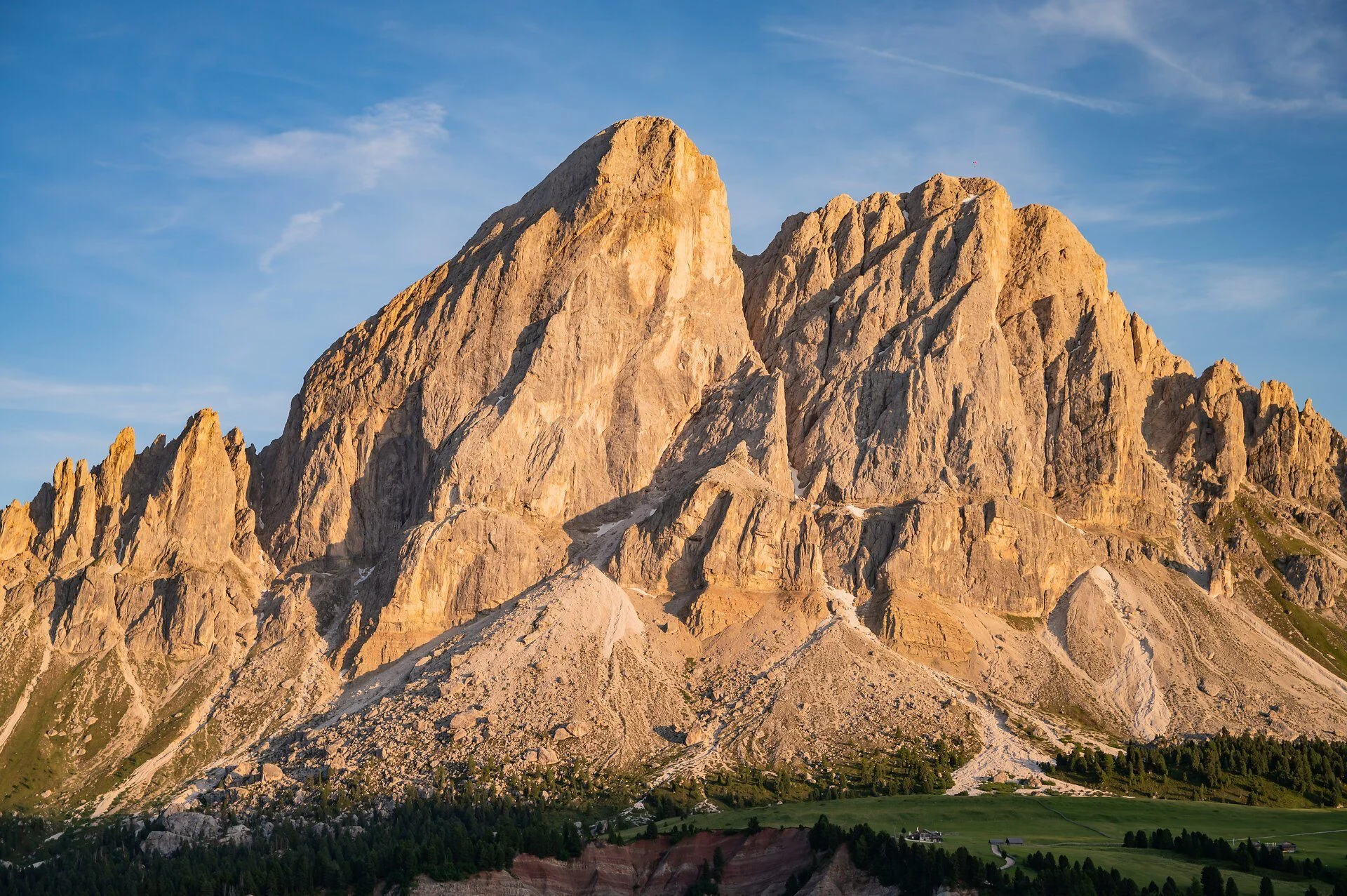
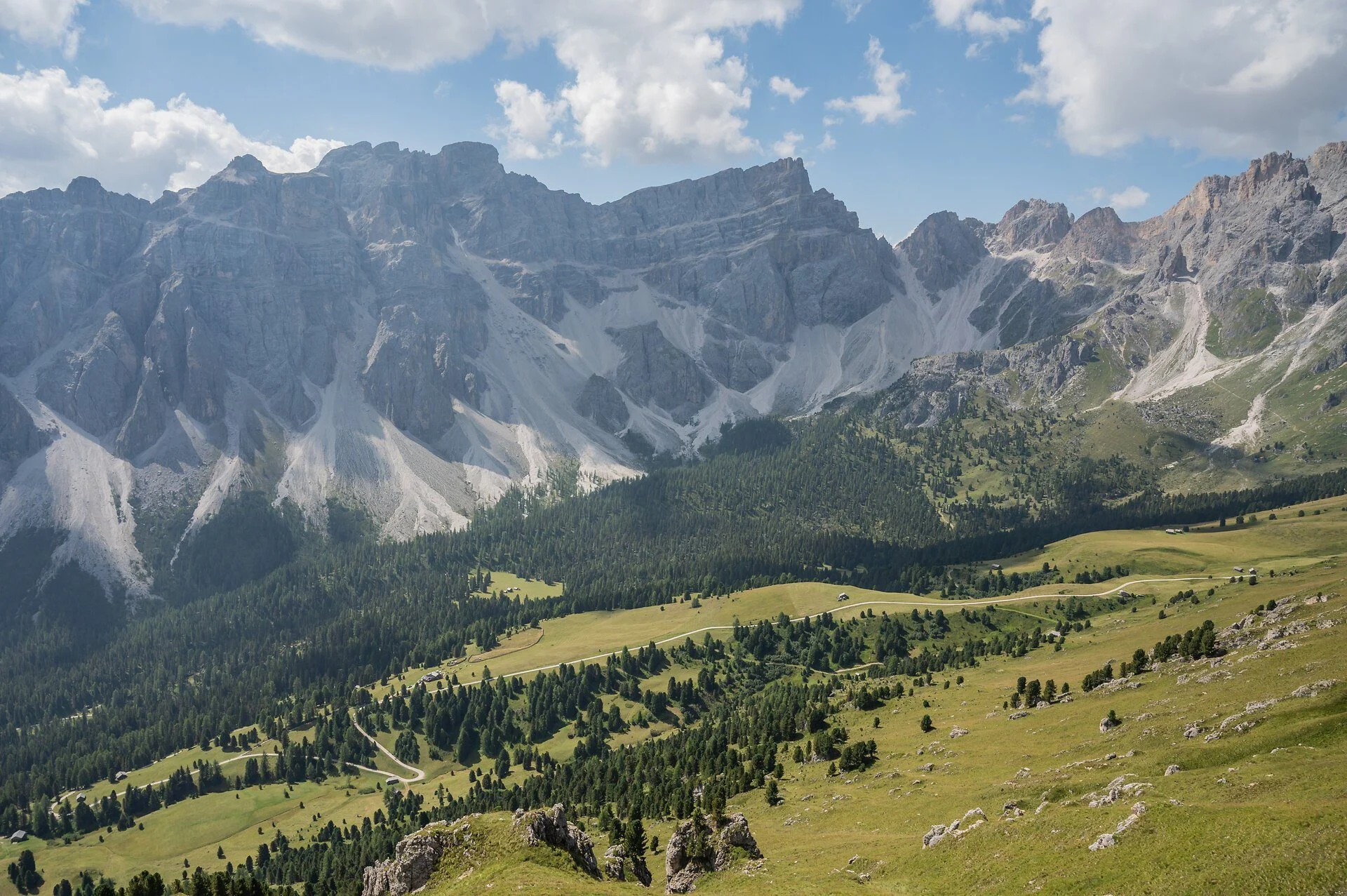
Much of the peaks is made of the remains of corals, shells and algae. They once grew as reefs in a warm sea and were lifted up when the Alps were formed.

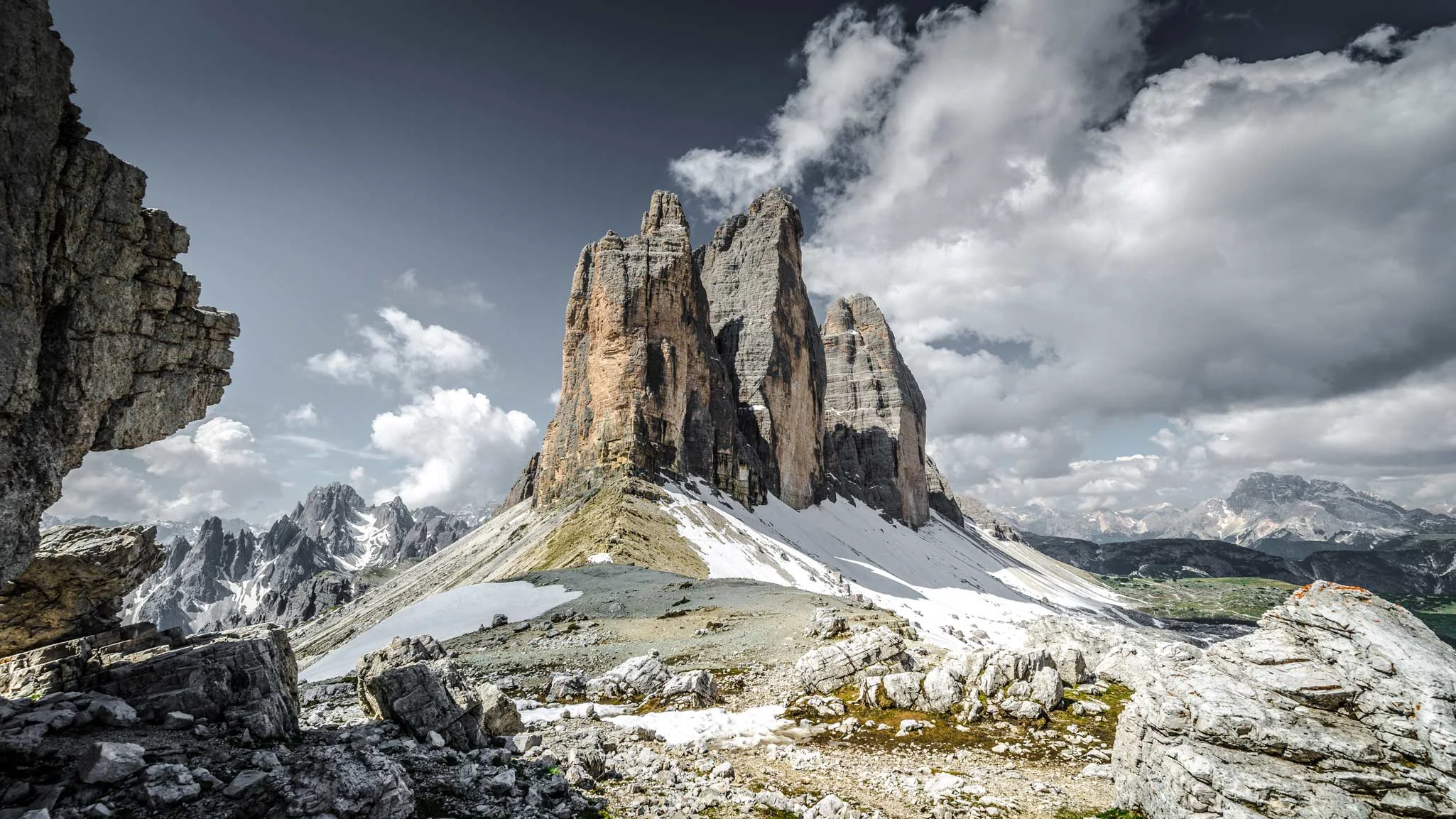
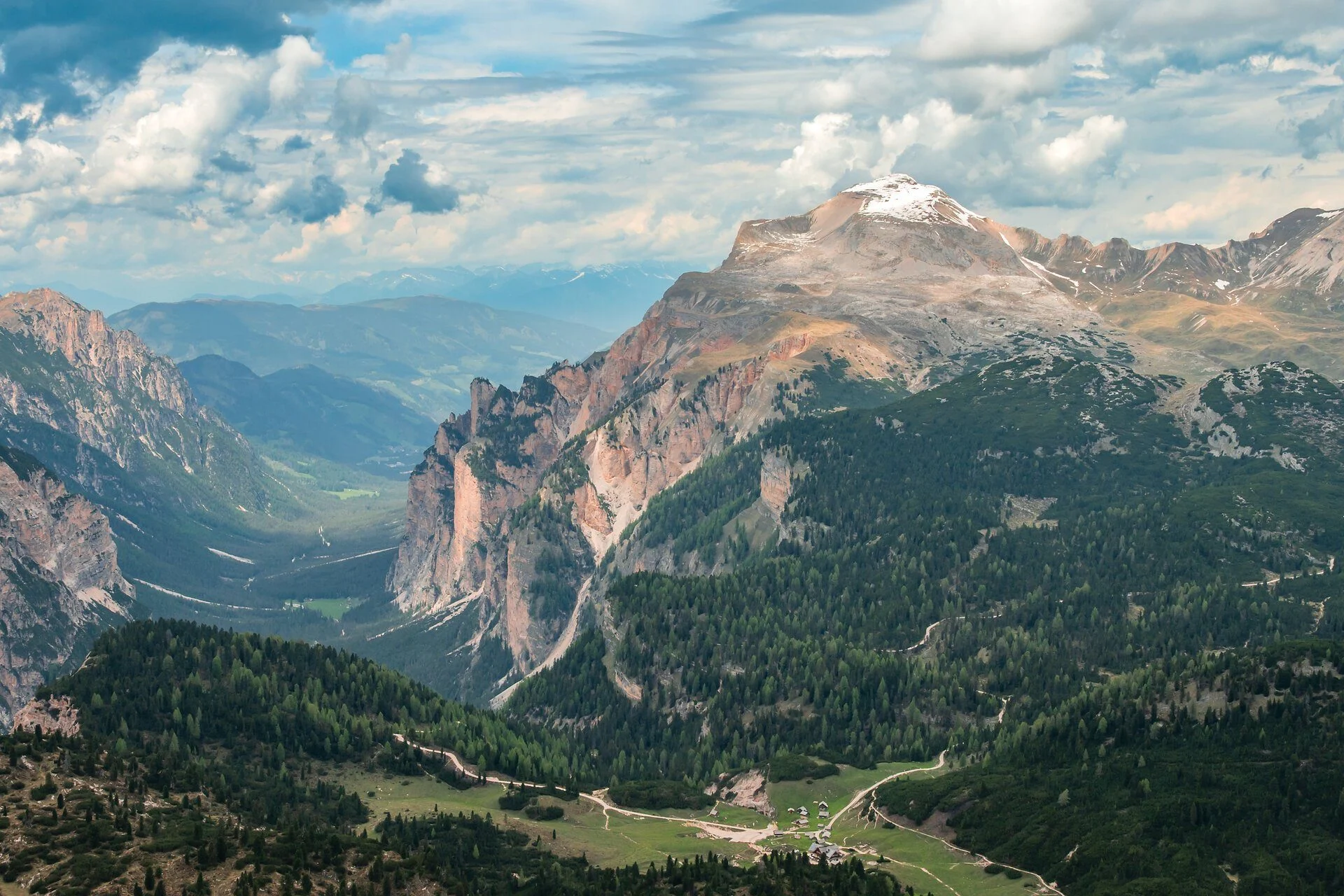
The pale mountains: Light rock faces that start to glow red in the evening, green pastures below vertical towers, high plateaus full of karst: the Dolomites look unlike any other range in the Alps. Since 2009 they have been a UNESCO World Heritage Site.
Our hotel lies right in the middle of it, on the edge of the Fanes-Sennes-Prags Nature Park. On this page you will find out why the Dolomites were listed, where their name comes from and what is useful to know about San Vigilio.
World Heritage since 2009
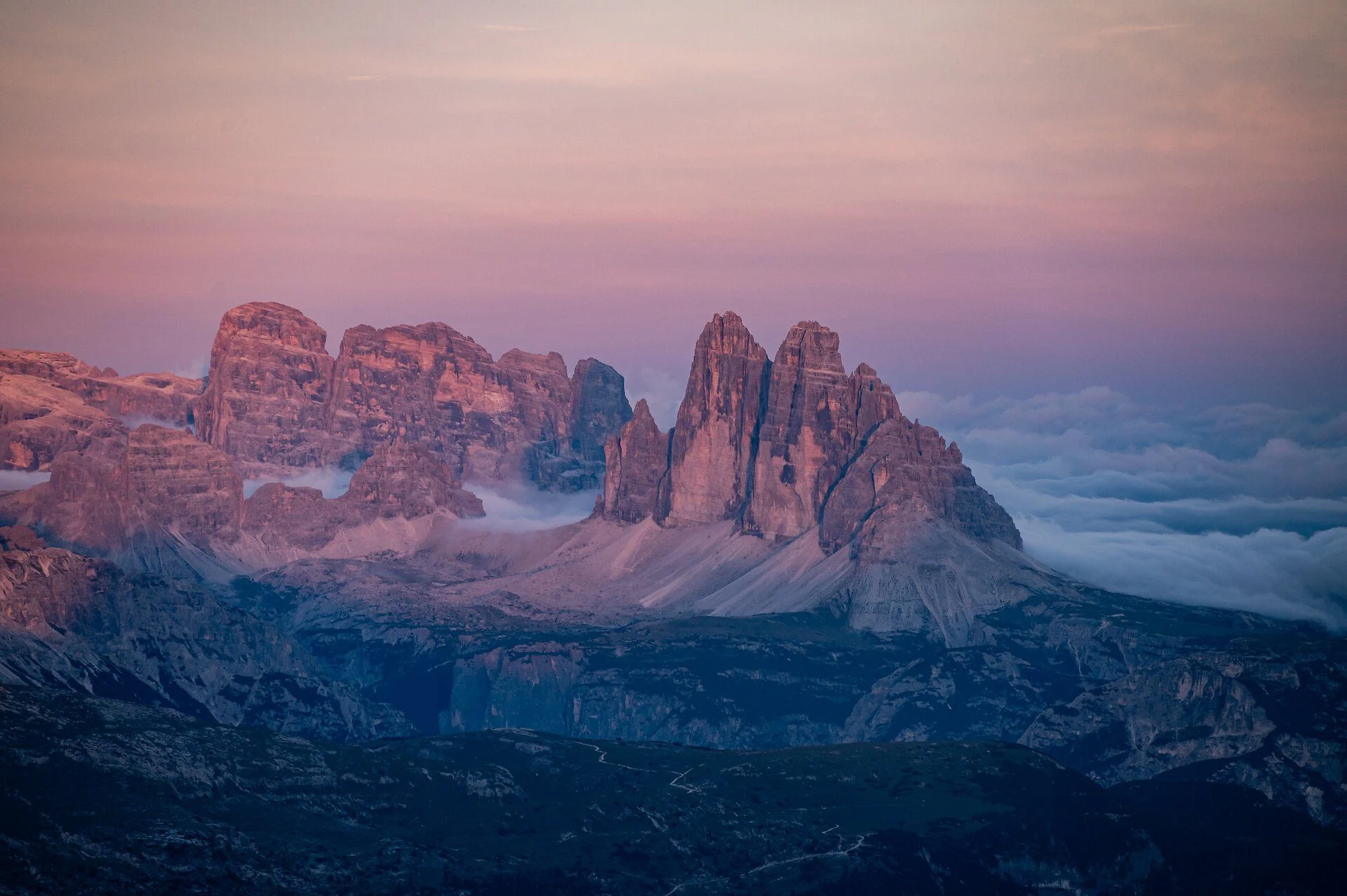
On 26 June 2009 UNESCO added the Dolomites to the list of World Natural Heritage. Two reasons decided it: their exceptional natural beauty and their importance for geology. Nowhere else can you see so clearly how the tropical reefs and lagoons of a prehistoric sea became high mountains.
The World Heritage Site consists of nine areas spread over five provinces. The Fanes-Sennes-Prags Nature Park on our doorstep belongs to the largest of them, the Northern Dolomites, together with the Sexten Dolomites, the Tofane and Cristallo. The Puez-Odle group west of San Vigilio is a separate area.
Understanding the Dolomites
Much of the peaks is made of the remains of corals, shells and algae. They once grew as reefs in a warm sea and were lifted up when the Alps were formed.
The French geologist Déodat de Dolomieu was the first to study the pale rock. The mineral dolomite and eventually the whole range were named after him.
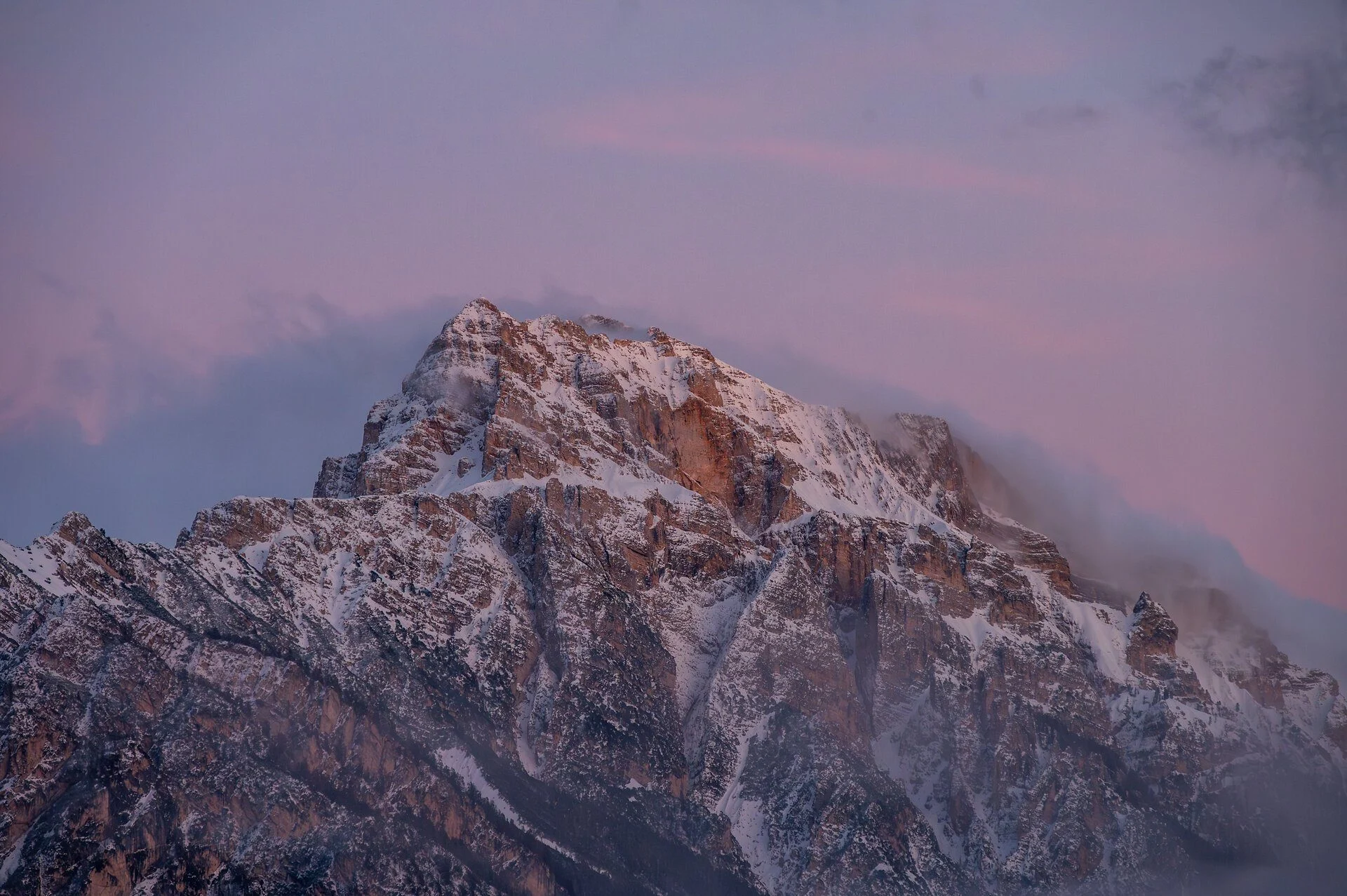
At sunrise and sunset the rock faces turn pink to deep red. The Ladins call it enrosadira. According to legend, it is the shimmer of King Laurin’s enchanted rose garden.
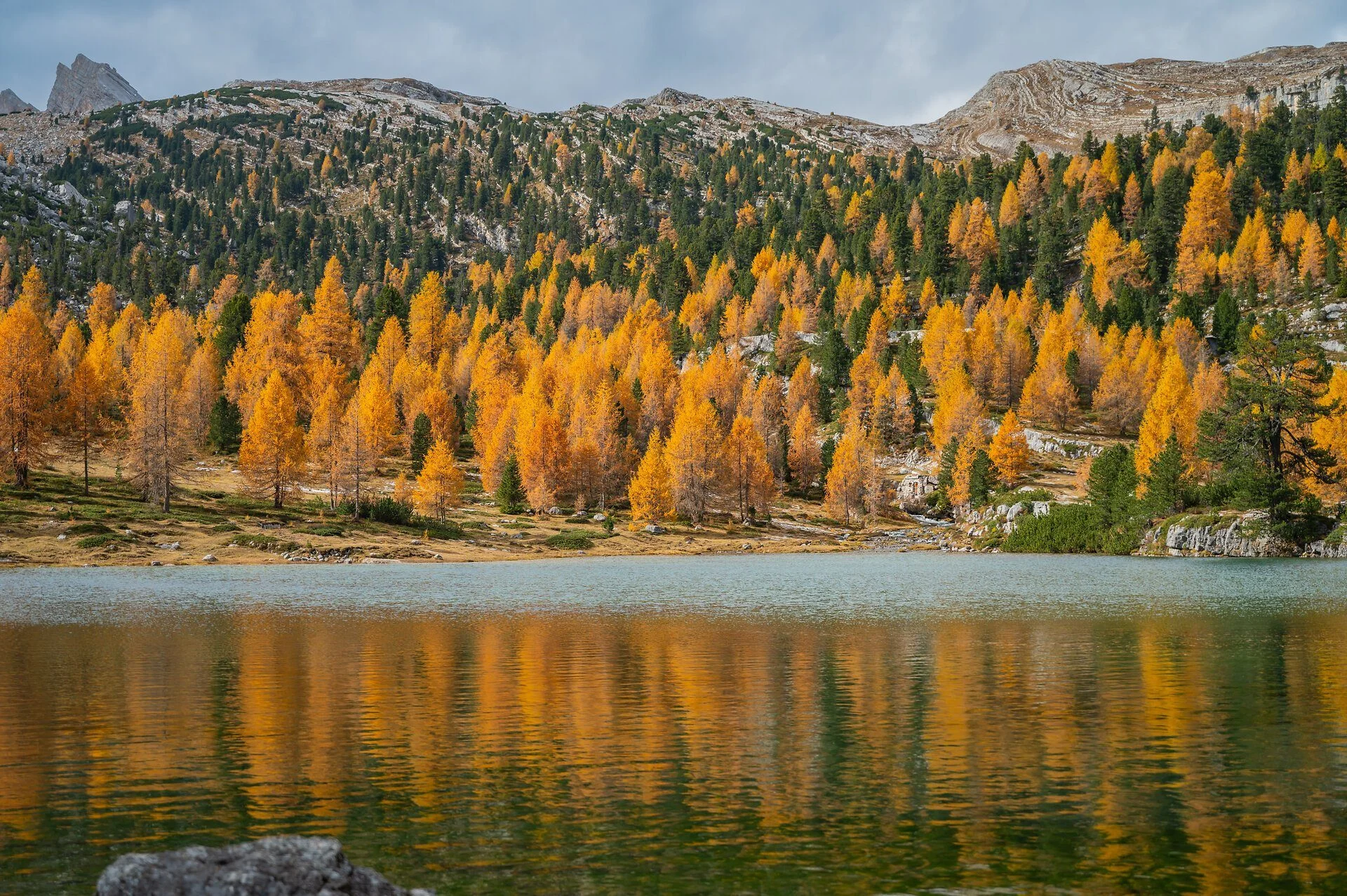
High above San Vigilio, the people of Fanes are said to have lived in alliance with the marmots. Stories are still told of the warrior princess Dolasilla and the hope of their return.
Good to know
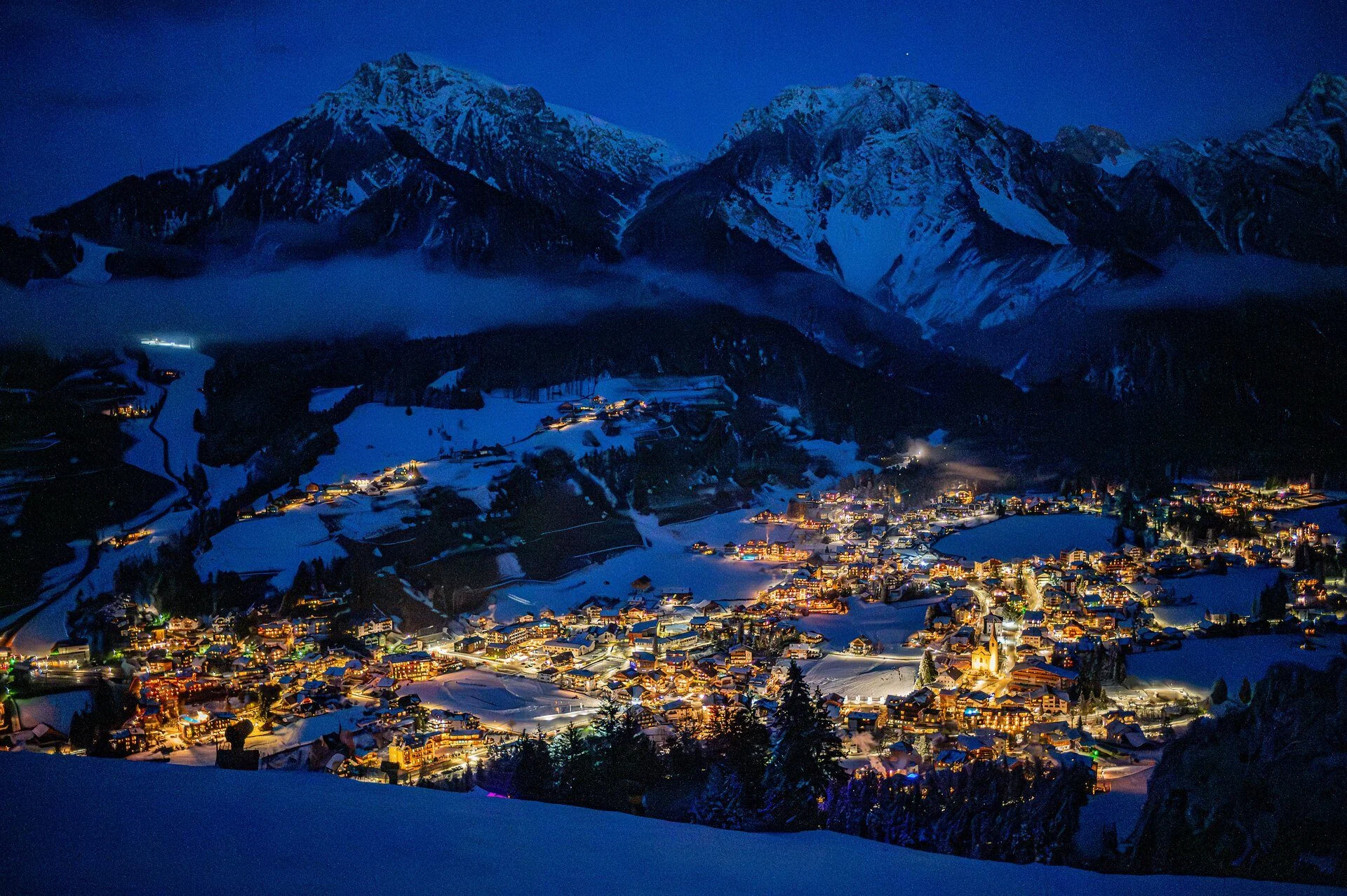
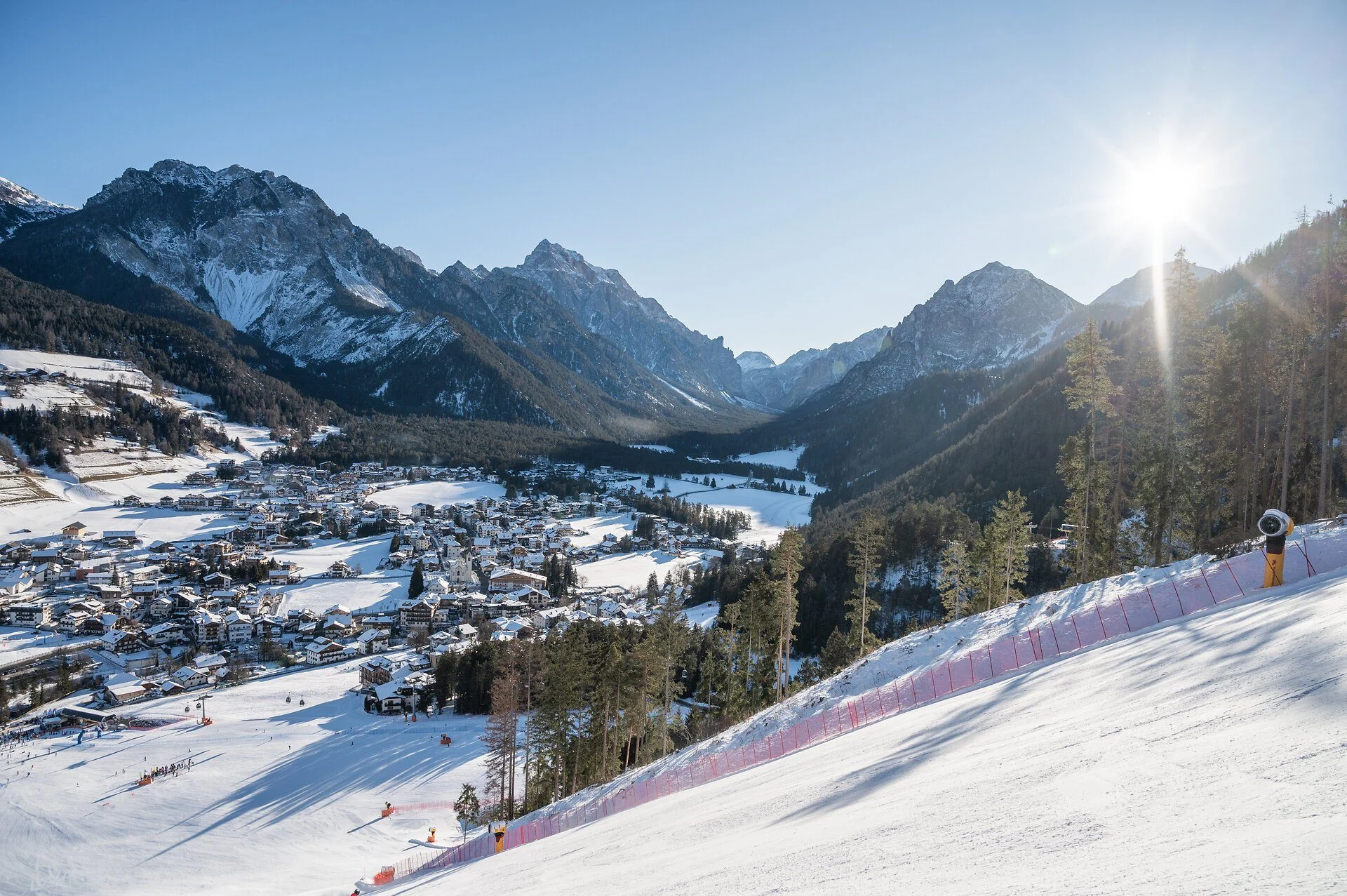
San Vigilio lies in the Marebbe valley, a side valley of Val Badia. The municipality of Marebbe covers more than 160 square kilometres, about two thirds of which belong to the nature park. The Puster Valley with Brunico is about 20 minutes away, Alta Badia with Corvara and the access to the Sellaronda about half an hour.
In winter the ski bus stops right in front of our hotel. In summer many hikes start on foot from the village or from Pederü at the end of the valley, which you reach by shuttle bus. For any questions about excursions, huts and weather, we are happy to help at reception.